


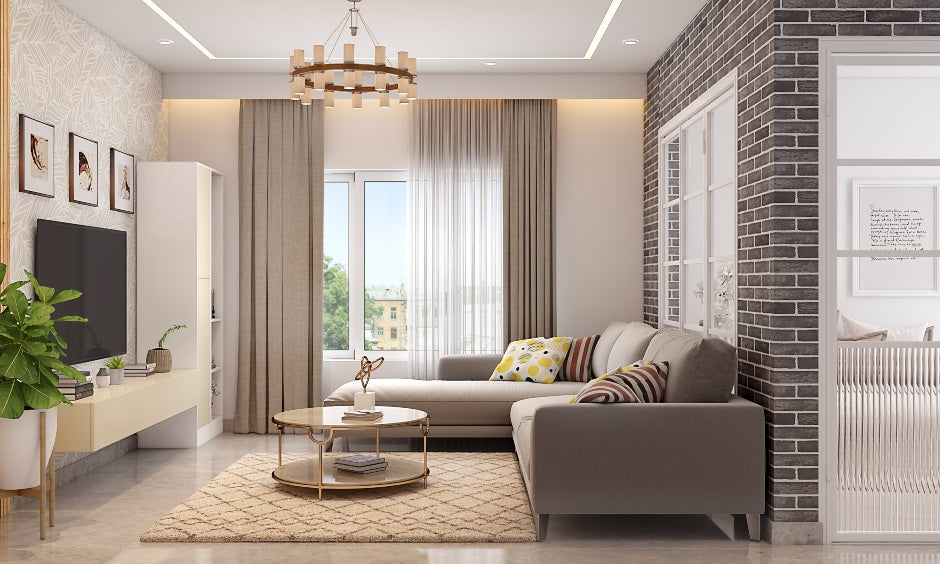
Interior design is more than just choosing paint colours or arranging furniture – it’s a creative and technical process that involves transforming a space into a functional, aesthetically pleasing environment. Whether you’re redesigning your home, refreshing a commercial space, or even designing an office, a professional interior designer cheshire plays a vital role in ensuring that every element of the space serves a purpose and reflects your personal or brand identity. In this blog, we’ll take a closer look at what hiring an interior designer does, their key responsibilities, and how they bring your vision to life.
1. Understanding Your Needs and Vision
The first and most essential task of an interior designer is understanding the client’s needs, preferences, and vision for the space. During the initial consultation, an interior designer will spend time listening to you, asking questions, and gathering information to get a clear sense of what you’re hoping to achieve.
They’ll inquire about:
- The purpose of the space (is it for relaxation, productivity, or entertainment?)
- The mood or atmosphere you want to create (cosy, modern, elegant, etc.)
- Your style preferences (traditional, contemporary, minimalist, etc.)
- Any specific needs or challenges (e.g., accessibility concerns, storage solutions, or working with small spaces)
By thoroughly understanding your goals, the interior designer can create a plan that aligns with your lifestyle and preferences, ensuring that the design is not only beautiful but functional.
2. Space Planning and Layout Design
Once the designer understands your vision, they begin the space planning phase. Space planning involves organising the layout of the space to maximise its functionality while keeping aesthetics in mind.
Interior designers assess the flow of the room, ensuring there is enough space for movement, and that furniture placement promotes a natural flow of activity. They take into account factors such as:
- Traffic patterns: Designers plan furniture arrangement to avoid congestion and make sure people can move easily.
- Furniture size and scale: They select pieces that fit the space without overcrowding it.
- Zoning: In larger spaces, designers might create distinct zones for different activities (e.g., work areas, relaxation areas, etc.).
In this phase, designers often create detailed floor plans and layout diagrams that help visualise how everything will fit into the space. This step is essential in achieving an efficient and well-balanced design.
3. Selecting Materials, Finishes, and Colour Schemes
One of the most exciting parts of the design process is choosing the materials, finishes, and colour schemes that bring the space to life. Interior designers have extensive knowledge of various materials, fabrics, and finishes and how they contribute to the overall design.
Some of the key elements an interior designer will select include:
- Colour schemes: Designers create colour palettes that enhance the atmosphere and mood of the space. Whether it’s calming neutrals for a bedroom or bold hues for a lively living room, colour plays a significant role in setting the tone of the room.
- Wall treatments: The designer might recommend paint, wallpaper, or other treatments like paneling or textured finishes to add depth and visual interest.
- Flooring: From hardwood and tile to carpet and area rugs, flooring is carefully chosen to complement the overall design while considering durability and maintenance.
- Textiles: Upholstery fabrics, curtains, and cushions are selected to add comfort, texture, and style.
- Lighting: Interior designers select appropriate lighting solutions, including ambient, task, and accent lighting, to ensure the space is well-lit and visually appealing.
The goal of selecting materials and finishes is not only to enhance the space visually but also to ensure that everything is practical and durable for the needs of the occupants.
4. Furniture Selection and Customisation
An interior designer plays a key role in selecting furniture that fits your style and meets the functional needs of the space. This involves choosing pieces that complement the overall design aesthetic, while ensuring they are comfortable and practical.
Designers often work with furniture manufacturers and showrooms to source pieces that align with your vision. Additionally, many interior designers have access to custom furniture designers who can create one-of-a-kind pieces tailored specifically to your space.
Furniture selection involves considering:
- Size and scale: The designer ensures that furniture fits well within the space and complements the layout.
- Functionality: For instance, a designer may select a sofa with built-in storage or a dining table that expands for large gatherings.
- Style consistency: The designer ensures that all furniture pieces work together harmoniously to create a cohesive look.
5. Lighting Design and Implementation
Lighting can make or break a space, and interior designers are experts at designing lighting solutions that enhance the functionality and aesthetics of a room. Good lighting design involves more than just selecting light fixtures – it’s about creating a layered lighting scheme that highlights key areas of the space and complements the overall design.
Interior designers consider:
- Ambient lighting: This is the general lighting for the room and is usually provided by overhead fixtures such as chandeliers, recessed lighting, or pendant lights.
- Task lighting: These lights are focused on specific areas, such as reading lamps or under-cabinet lights in kitchens.
- Accent lighting: Used to highlight artwork, architectural features, or decorative elements in the room.
An interior designer will also consider the placement of light fixtures to ensure they are functional while enhancing the mood of the space.
6. Managing the Budget and Timeline
Interior designers are skilled at managing both the budget and timeline of a project. They will help you establish a realistic budget for the design, factoring in materials, furniture, labor, and other expenses. Throughout the process, they’ll ensure the design stays on budget and meets deadlines.
Designers often have strong relationships with suppliers, contractors, and artisans, which allows them to source high-quality materials and manage costs effectively. They also oversee the project to ensure that work is completed on time, and to coordinate deliveries and installations.
7. Overseeing Installation and Final Touches
Once the design elements are sourced, the interior designer is responsible for overseeing the installation of all components – furniture, lighting, finishes, and decor. They coordinate with contractors, movers, and other professionals to ensure everything is set up as planned.
The designer will also add final touches, such as arranging furniture, hanging artwork, styling shelves, and placing accessories to make the space feel complete. This is where the designer’s attention to detail shines, creating a polished, cohesive environment.
8. Creating a Cohesive and Functional Space
At the end of the day, what an interior designer does is much more than decoration. They create spaces that are tailored to your lifestyle, providing solutions for both aesthetics and functionality. Whether it’s optimising space for a growing family or designing a relaxing retreat, the designer’s role is to ensure that the space works well for its intended purpose while reflecting your personality and taste.
Conclusion: The Value of Hiring an Interior Designer
An interior designer brings a wealth of knowledge and experience to a project, ensuring that every element of your space serves a purpose while also creating a beautiful, cohesive environment. They handle everything from space planning and selecting materials to managing budgets and overseeing installations. By working with a professional, you not only save time and reduce stress but also ensure that your space is optimised to meet your needs and style preferences.
So, whether you’re redesigning a single room or tackling a whole home or commercial project, an interior designer is the perfect partner to bring your vision to life.